
Yamaha or Kawai? Which one is better?
For families and students in Cambodia trying to decide which piano brand is the right fit, here’s a simple, honest comparison from The Piano Shop Cambodia.
It’s one of the most common questions we hear: “Should we get a Yamaha or a Kawai?”
Both are Japanese. Both are well-made. And honestly, for most families buying a first piano, the difference between the two matters less than people think — what matters far more is finding the specific instrument your child wants to sit down and play.
That said, the differences are real. Here’s what they actually are.
The sound
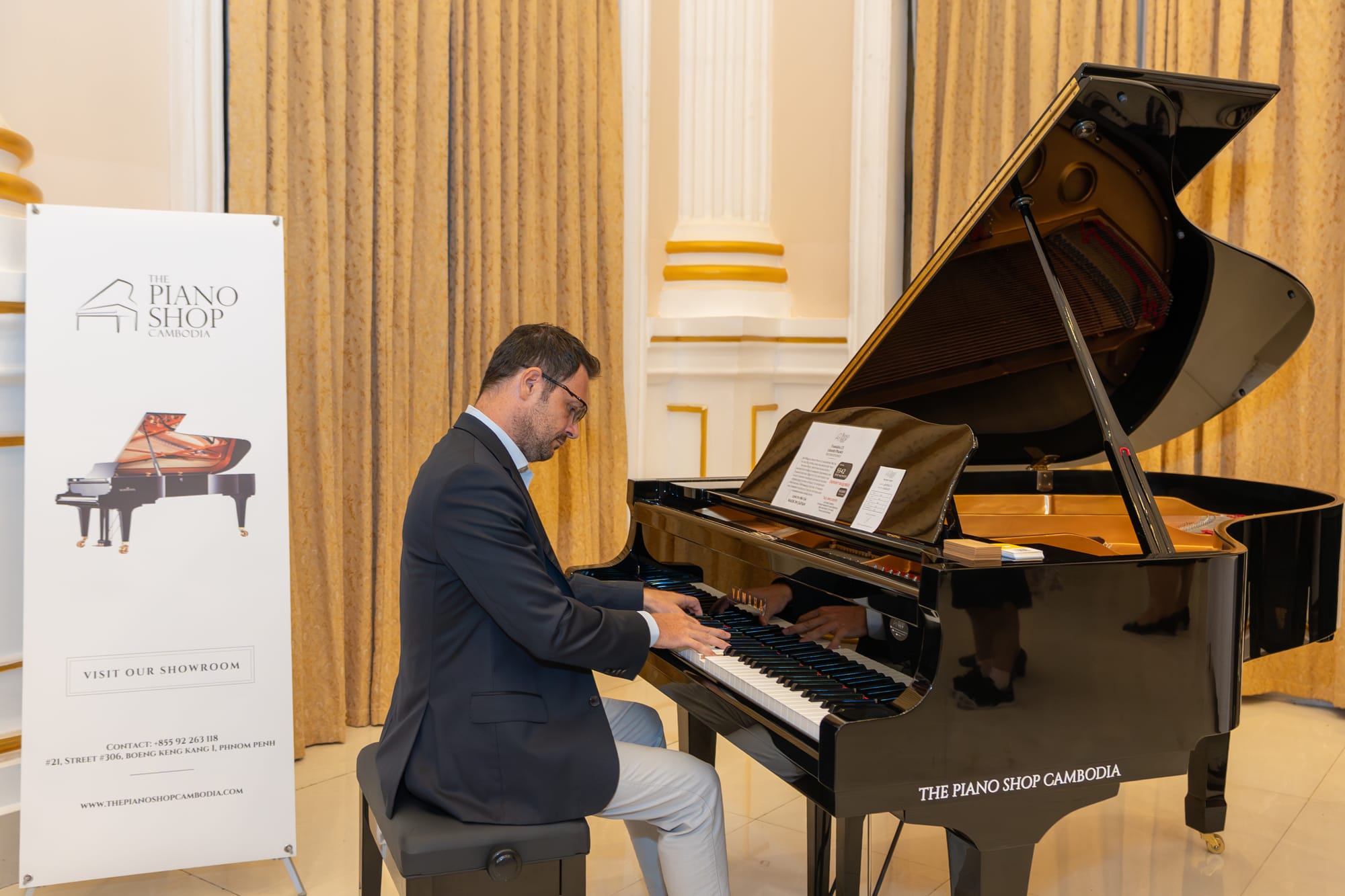
Yamaha pianos tend toward a brighter, more defined tone. Individual notes are clear and distinct, which many teachers find useful — students can hear precisely what they’re playing, including mistakes.
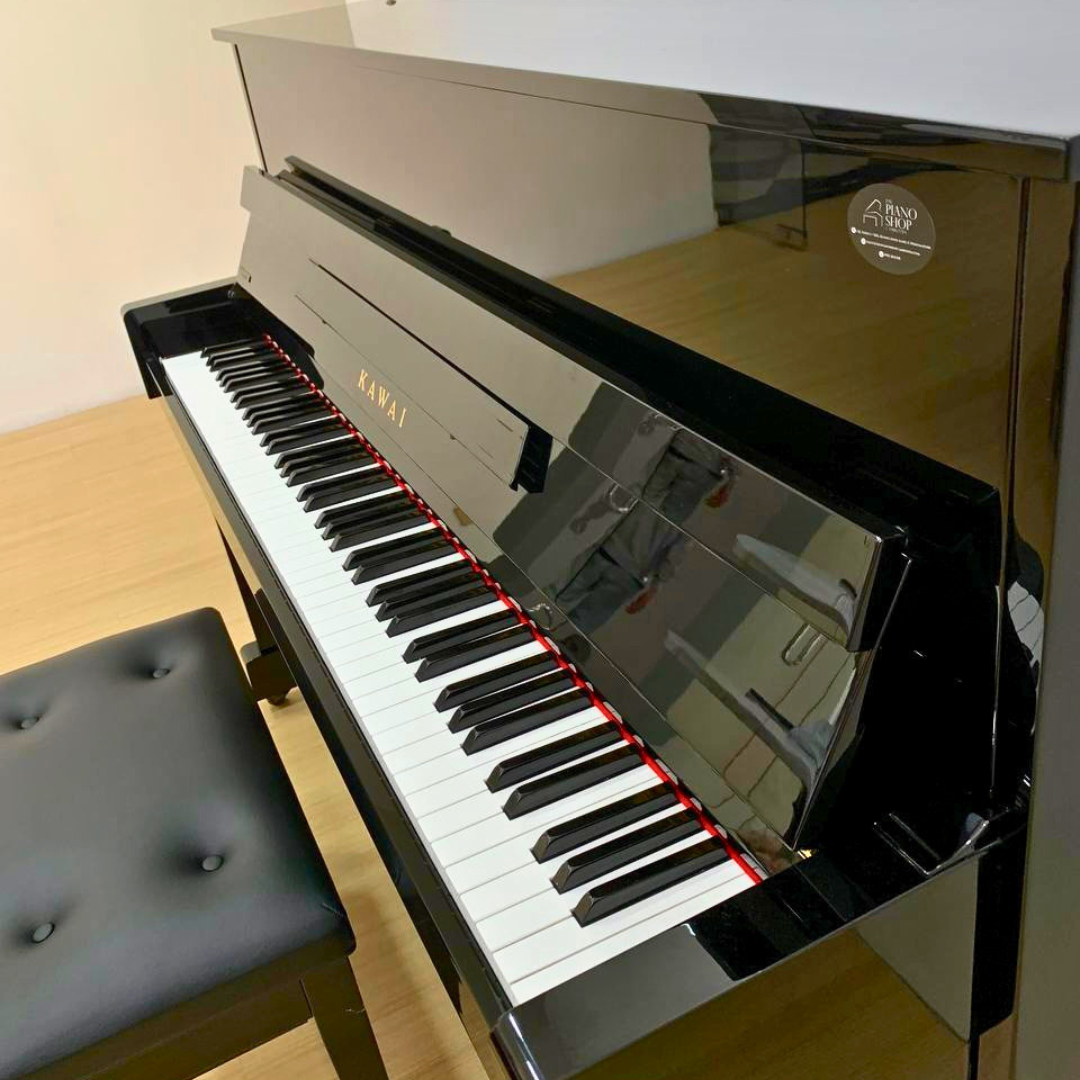
Kawai pianos tend toward a warmer, more blended sound. Notes sustain and blend into each other in a way that many players find easier to enjoy, especially early on.
Neither is better. They're genuinely different, the way two good guitars can be genuinely different. The only way to know which sound appeals to your family is to hear both in person.
The touch
This is where the two brands diverge most noticeably.
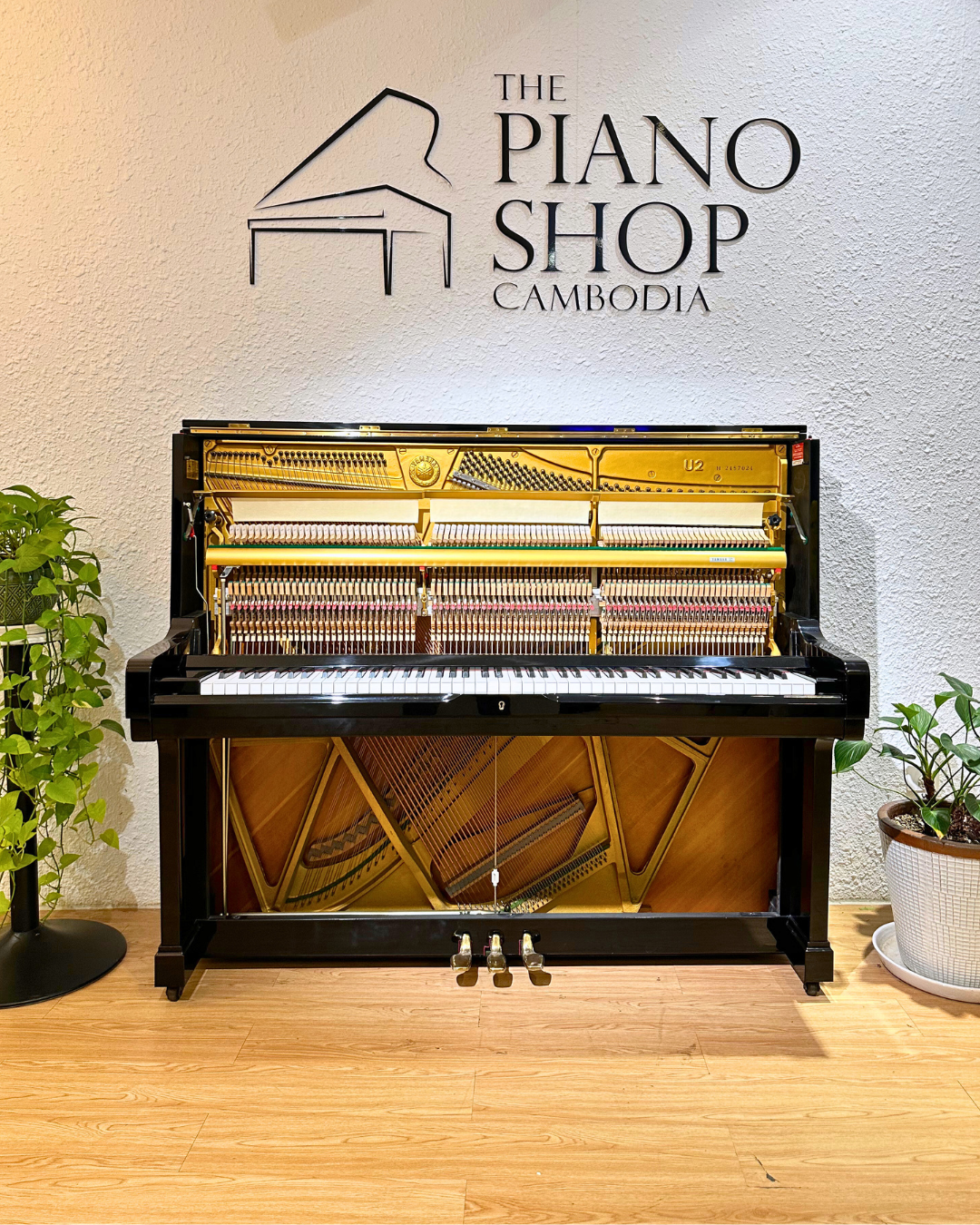
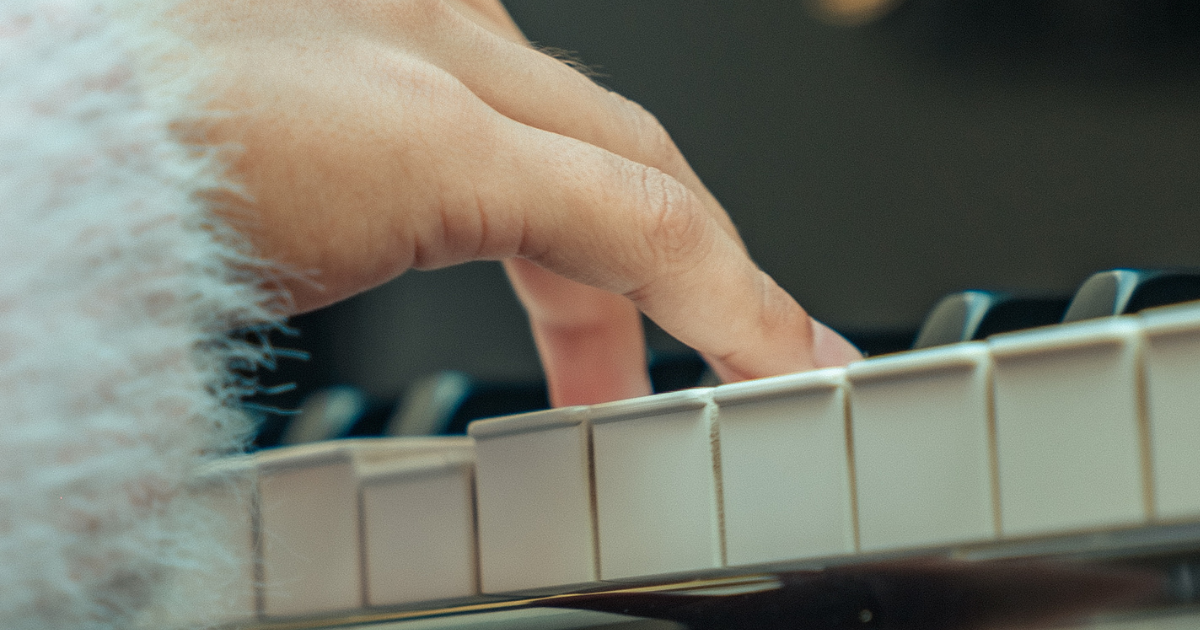
Yamaha keys have a firmer, more resistant feel. Many piano teachers like this for younger students because it builds finger strength and control over time.
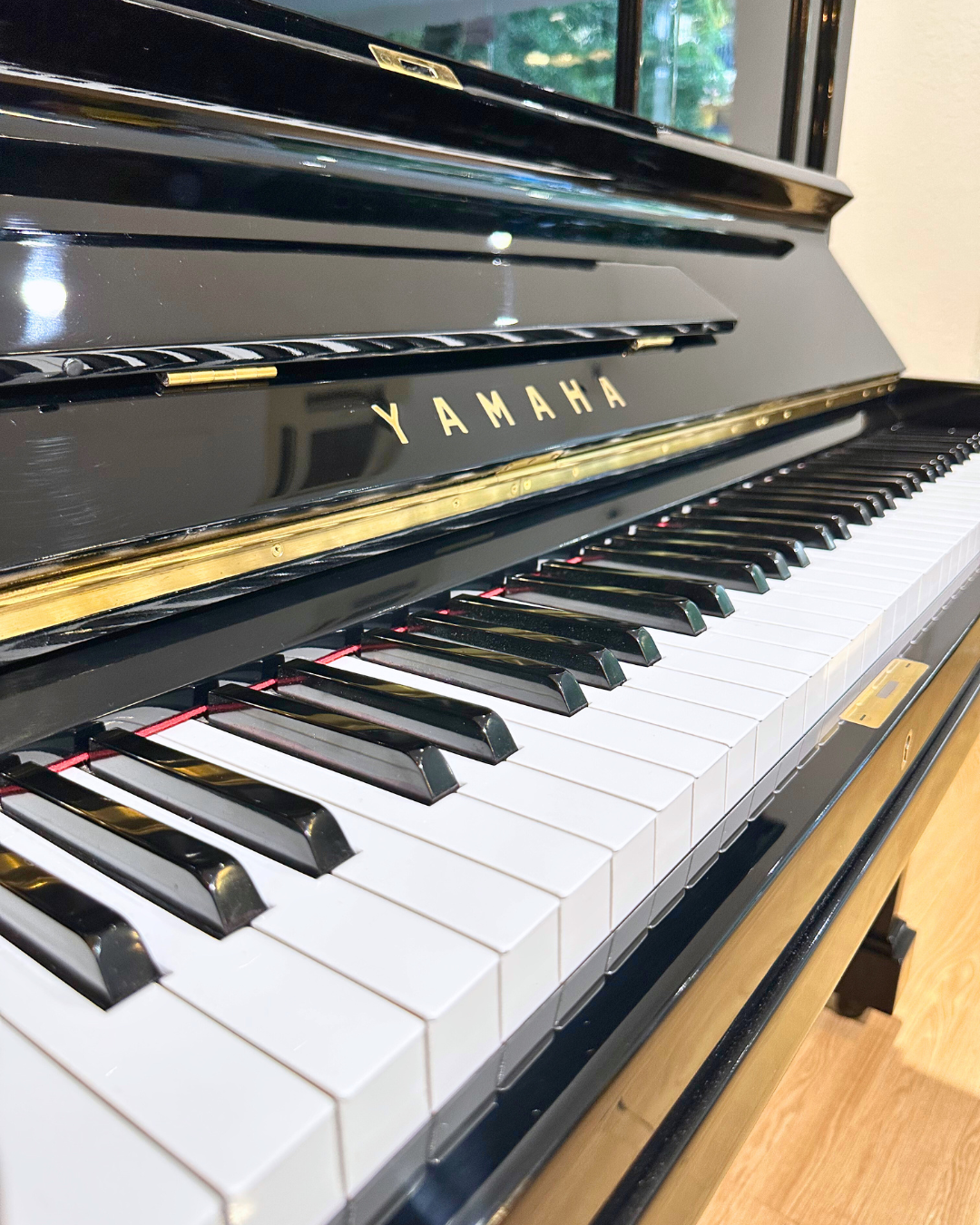
Kawai has invested heavily in key action engineering over the decades, and their actions are consistently smooth and even across the keyboard. Students who find Yamaha’s action tiring sometimes find Kawai easier to practice on for longer.
Again: try both. What feels right is personal, and your child’s hands are not your hands.
One thing Cambodia guides don’t mention
Both Yamaha and Kawai acoustic pianos are built primarily from wood. Wood responds to humidity — it expands in the wet season, contracts in the dry season. In Phnom Penh, where indoor humidity can exceed 70% during monsoon months, this matters.
Neither brand is immune to Cambodia’s climate. What protects your piano is consistent care: keeping it away from direct sunlight and air conditioning vents, and tuning it regularly. In Cambodian conditions, we recommend tuning at least twice a year.
Our technician Mr. Panda handles tuning and full servicing for both Yamaha and Kawai instruments across Phnom Penh. He can also advise you on placement and humidity management when you purchase.
What about reconditioned pianos?
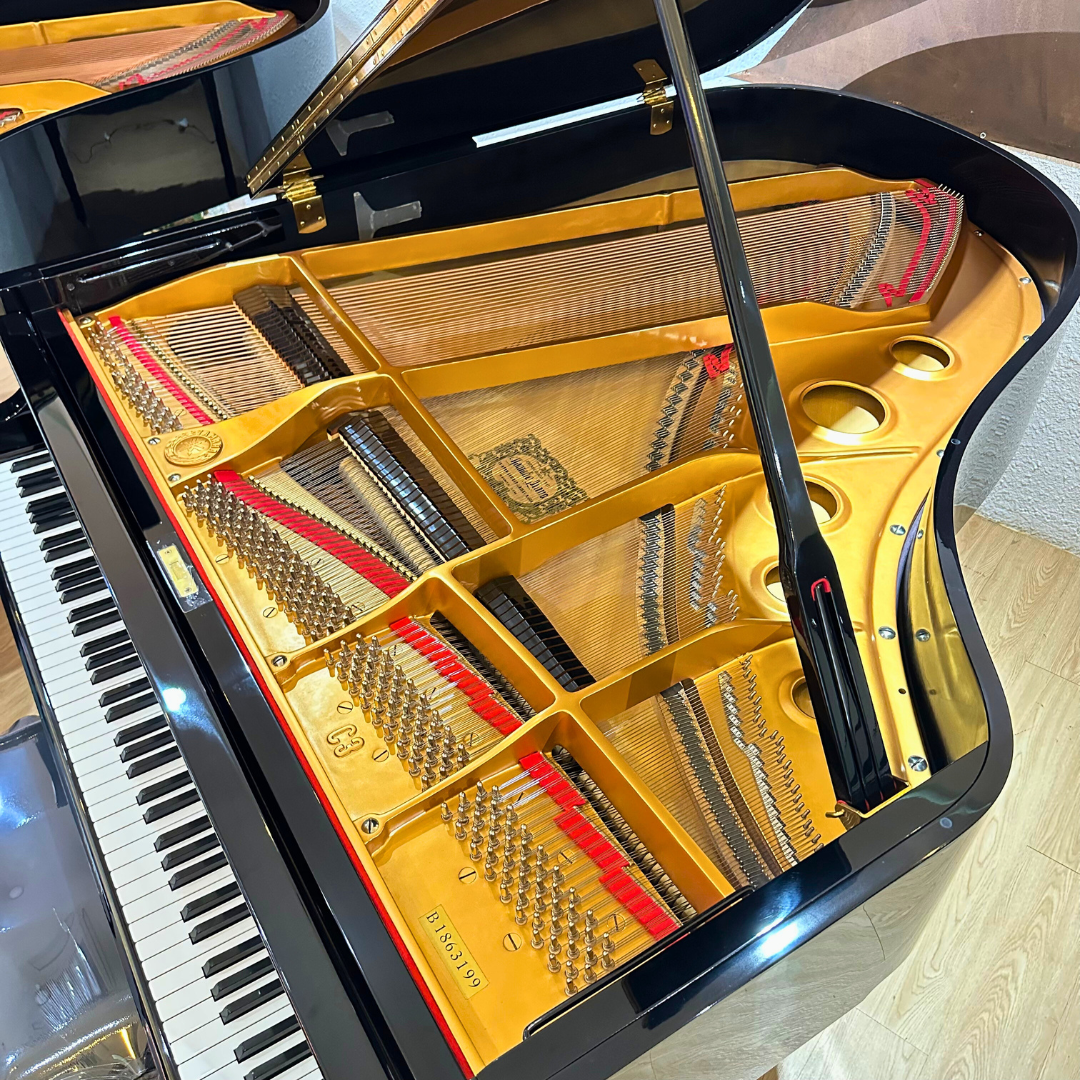
Many of the Yamaha and Kawai pianos built in the 1970s through 1990s were made to standards that entry-level new pianos today don’t always match. When these instruments are properly reconditioned — new strings, new hammers, regulated action, full tuning — they often outperform new pianos at the same price point.
If you’re choosing between a reconditioned Yamaha and a reconditioned Kawai, the brand comparison matters less than the condition of the specific piano in front of you. We evaluate and prepare every instrument before it goes on the floor.
How to decide
If you're still uncertain, this is what we've observed after years of helping families choose:
Most parents who come in leaning toward one brand leave with whichever piano their child gravitated toward when they sat down to play. The child's preference tends to be consistent and quick — they know within a few minutes which one they enjoy more.
So our honest advice: don't decide before you visit. Come in, let your child sit at both, and watch which one they keep coming back to. That's usually the right answer.
Visit us
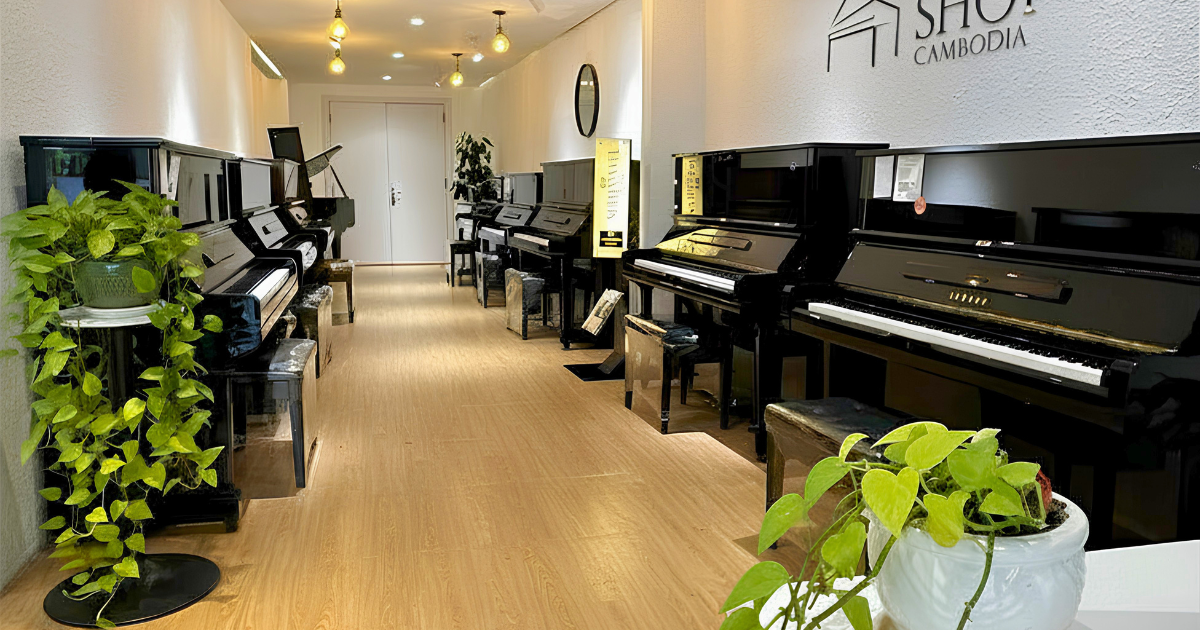
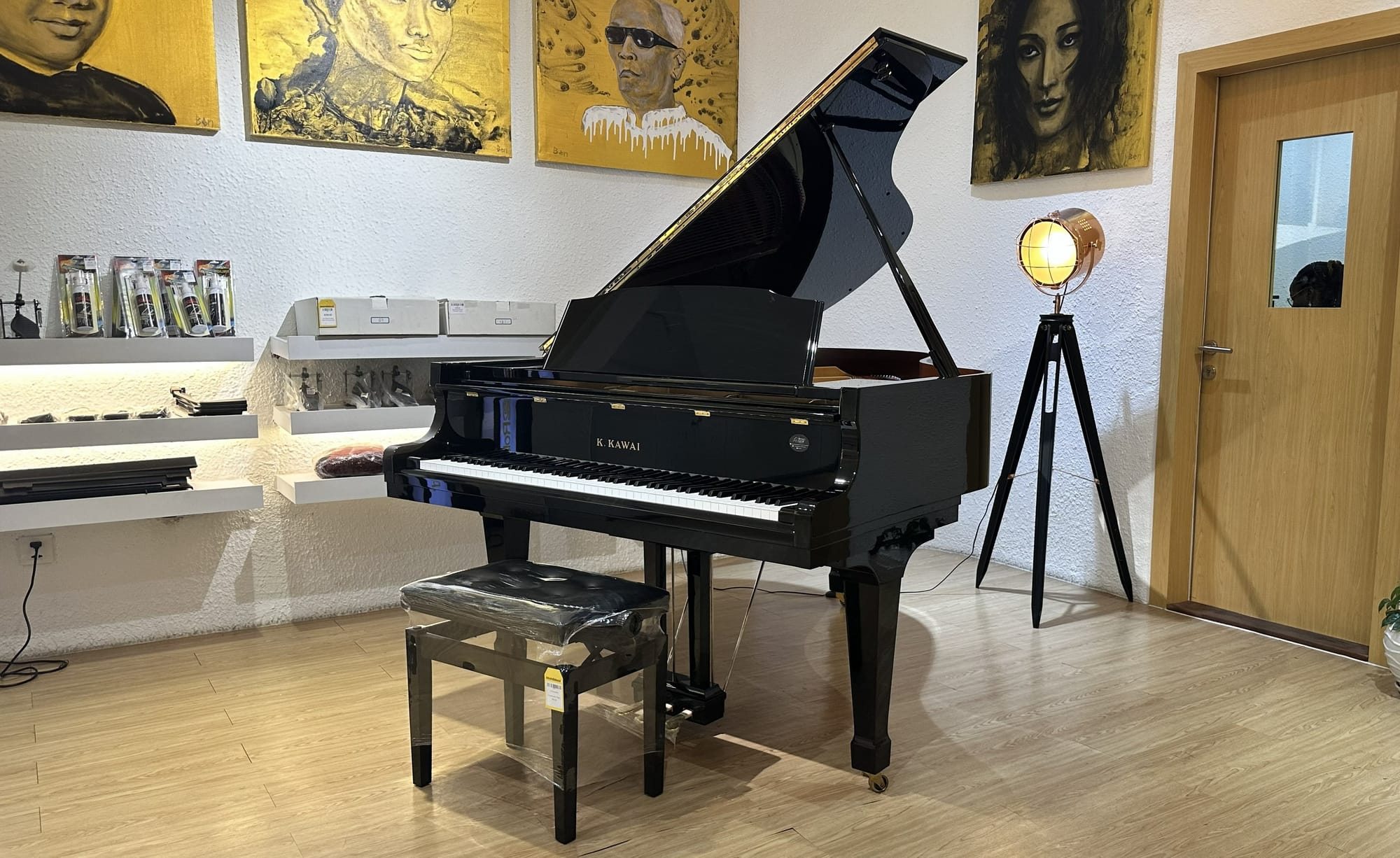
At The Piano Shop Cambodia, we carry a carefully selected range of Yamaha and Kawai upright and grand pianos — all evaluated, regulated, and tuned before they're offered for sale. We're also the authorized dealer for Schimmel, Germany's leading piano maker, for customers looking at higher-end instruments.
There's no pressure and no rush. Come in, play as many pianos as you like, and ask us anything.
Find us on Social Media
Subscribe to The Piano Shop Cambodia's blog for event updates such as this